
Area Guide
Runakanda Rainforest: a visitor's guide
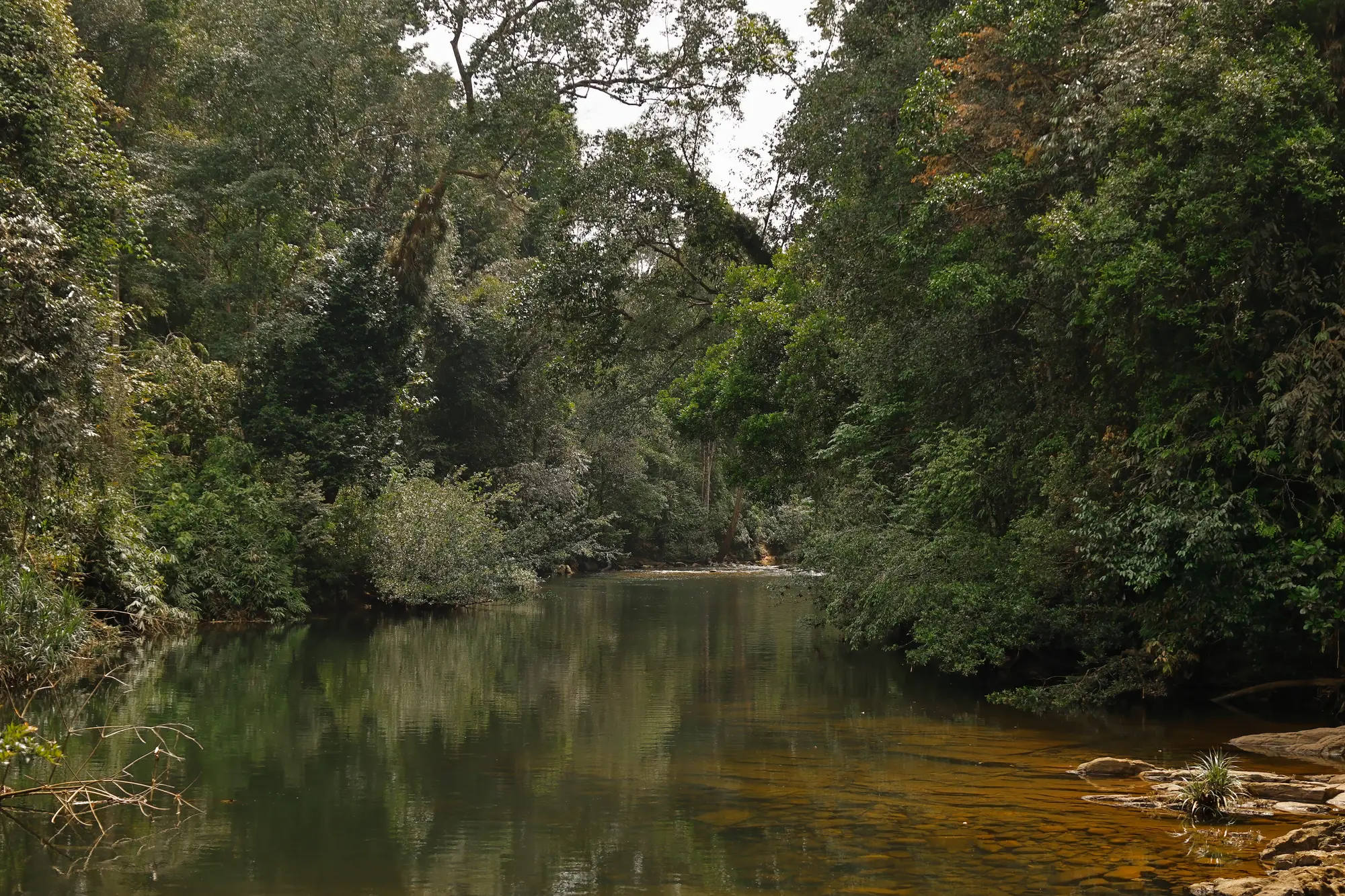
Where Runakanda Rainforest is
Runakanda Rainforest, also called the Morapitiya-Runakanda forest, lies in the Palindanuwara division of Sri Lanka's Kalutara District, close to where the Western, Sabaragamuwa and Southern provinces meet. Local guides describe it as an extension of Sinharaja that was continuous with that forest until the 1970s. The Morapitiya-Runakanda Key Biodiversity Area covers about 74 square kilometres of forest. Baduraliya, the market town for the area, is about 82 km from Colombo. Moss Forest Vegan sits on Hedigalla Road in Baduraliya, on the approach to the forest.
The Maguru River and its waterfalls
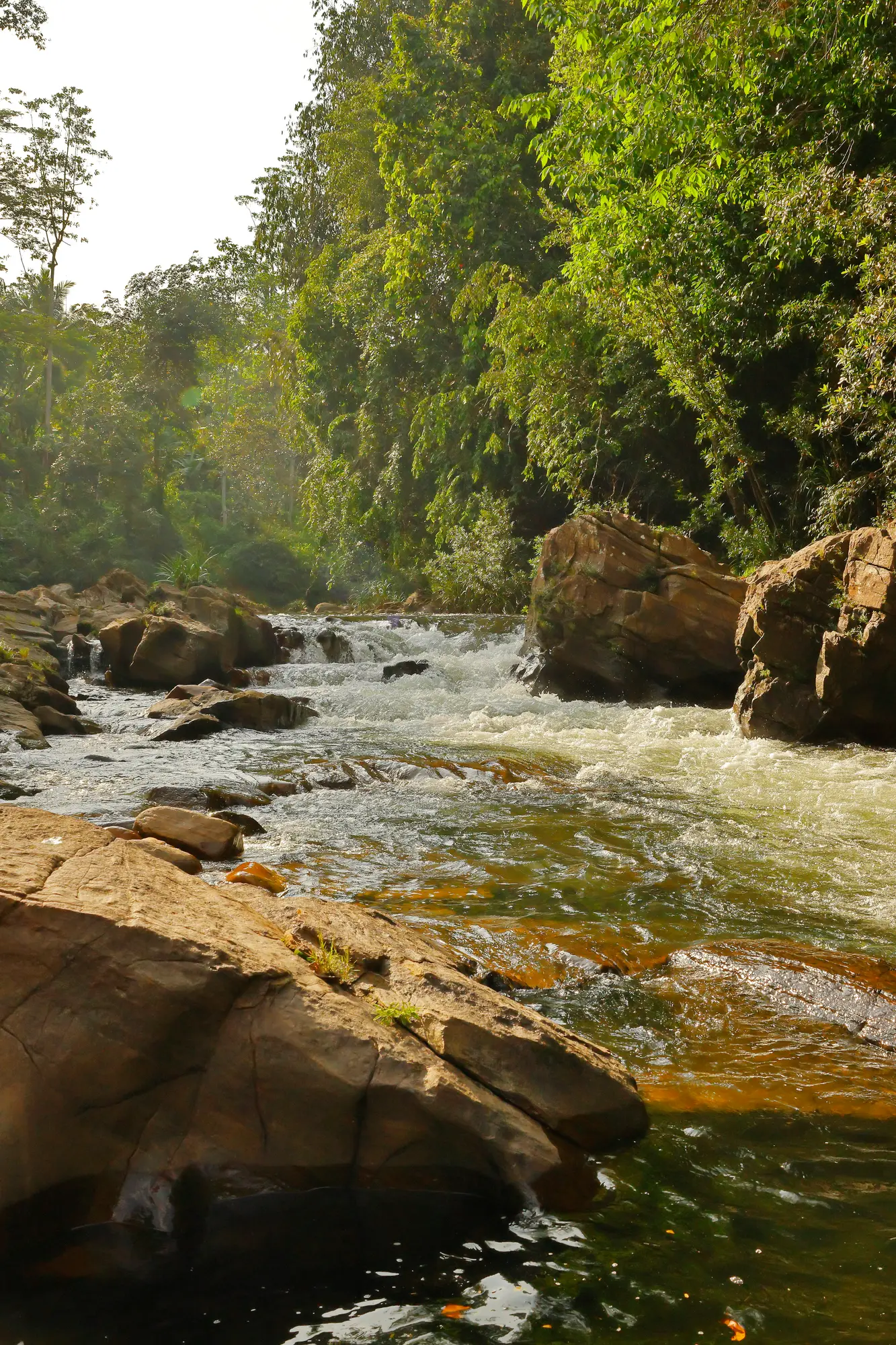
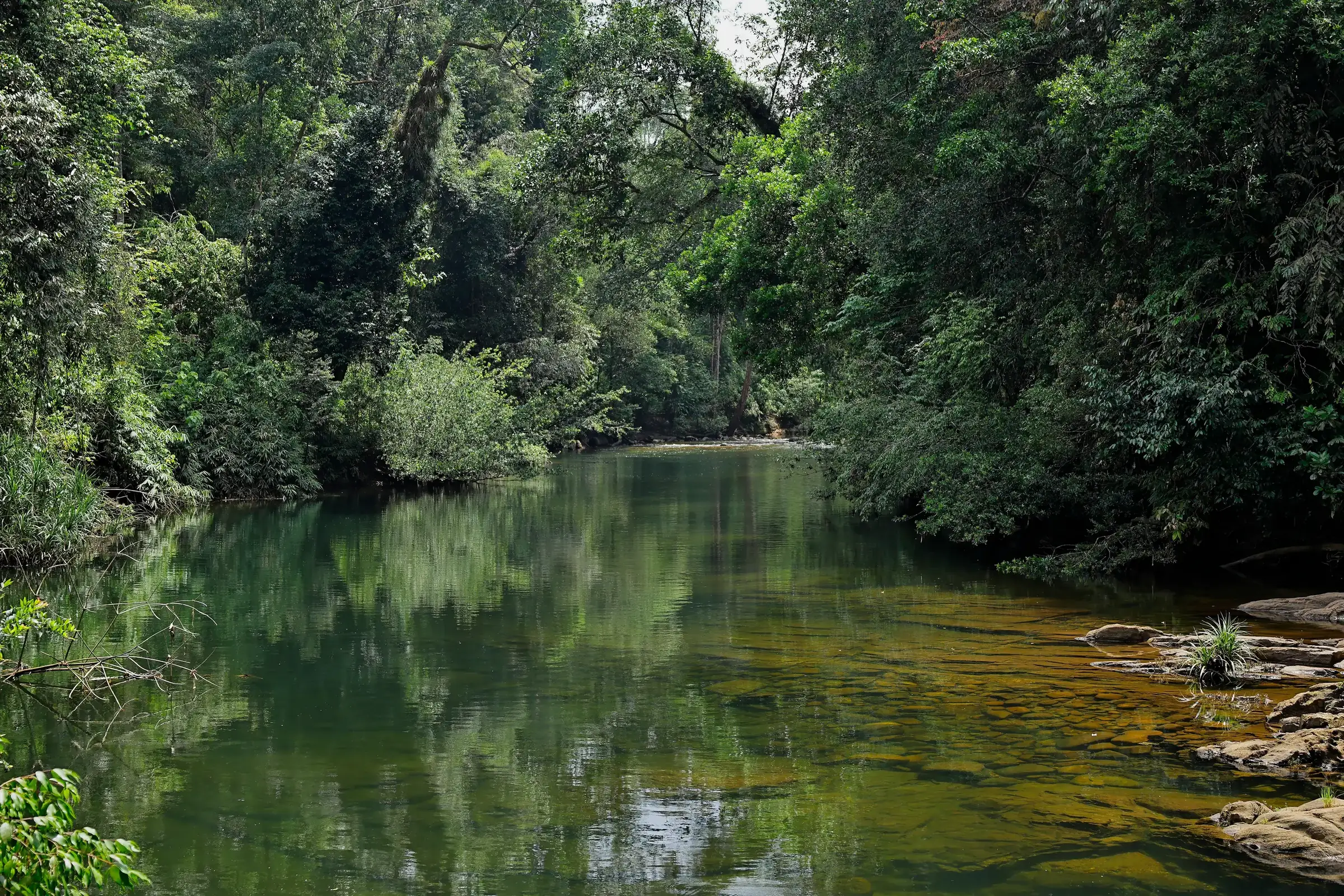
The Maguru River (Maguru Oya), a tributary of the Kalu Ganga, runs through the forest, fed by smaller streams such as Na Kanda Ela and Puwak Watiya Ela. Amazing Lanka's guide to the reserve describes Mannawatta Ella, where the Maguru falls about eight metres in the Denihena Mannawatta area, and Pahantudawa Falls near Dikhena village. The same guide describes one walking route that follows the Baduraliya–Hedigalla–Dikhena road, crosses the Maguru River and continues about eight kilometres through the forest.
Caves with a long human story
Runakanda is also an archaeological landscape. According to Amazing Lanka, a 2017 survey by the Department of Archaeology recorded 37 caves with evidence of prehistoric people inside the reserve. The best known is Kebella Lena on Rusigala, a rock shelter with a mouth around 31 metres wide, where excavations found traces of early settlement and stone tools. If you want to see a cave, ask locally about access and whether a visit is appropriate before you set out.
Wildlife in a Key Biodiversity Area
The forest is a confirmed Key Biodiversity Area. Its listing names two bird species, the Sri Lanka blue magpie and the green-billed coucal, both assessed as Vulnerable. The Protected Area Irreplaceability database lists the reserve as of global importance for the Serendib scops owl, an endemic owl assessed as Endangered. Amazing Lanka estimates that around 70% of the forest's plant species are endemic to Sri Lanka, and records butterflies, fish, snakes and mammals alongside its birds. Our birdwatching note has more on the birds.
Things to do near Baduraliya
Around Baduraliya, the Kalugala forest hermitage is reached on foot along a forest trail of roughly 2.5 km from Gurulubedda; visitors describe a waterfall near the bridge and cave shrines along the way. Travel listings place several smaller waterfalls within about 6 to 8 km of town, including Polgampola (Thambadola) Ella and Athweltota Pilithuda Ella, and the Pahiyangala cave temple about 15 km away. Distances come from travel listings, so check the route and conditions locally before you go.
Visiting the forest with care
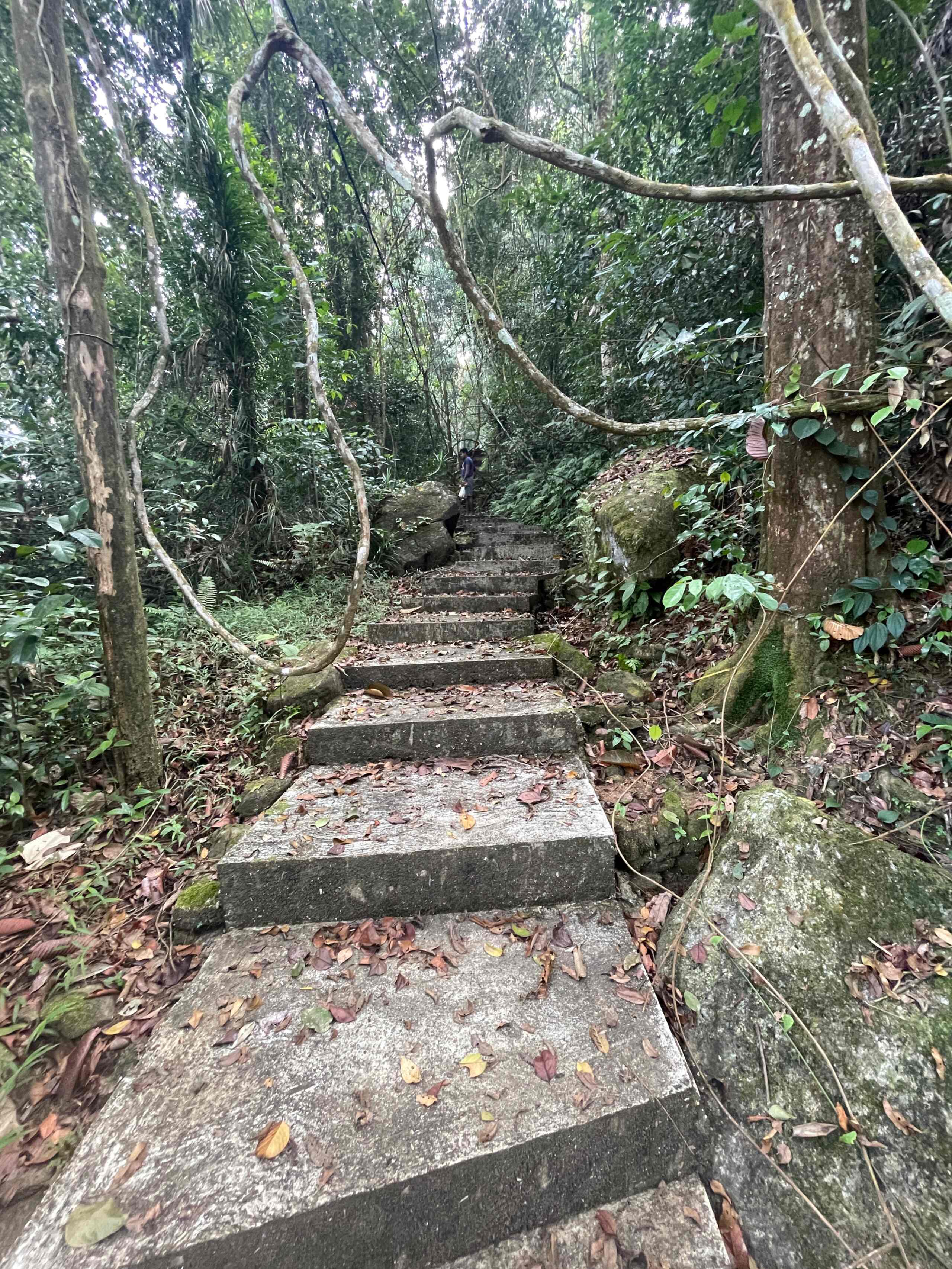
Morapitiya-Runakanda is a forest reserve, so access rules come from the Forest Department and can change; check before you walk. Trails can be muddy, and leeches are common, especially in the rainy months, when the southwest monsoon brings heavy rain from about May to September. Walking with someone who knows the forest is the safest way to explore. Do not assume guided walks are part of a stay at Moss Forest Vegan; ask the team what is practical for your dates when you request a stay.
In photographs
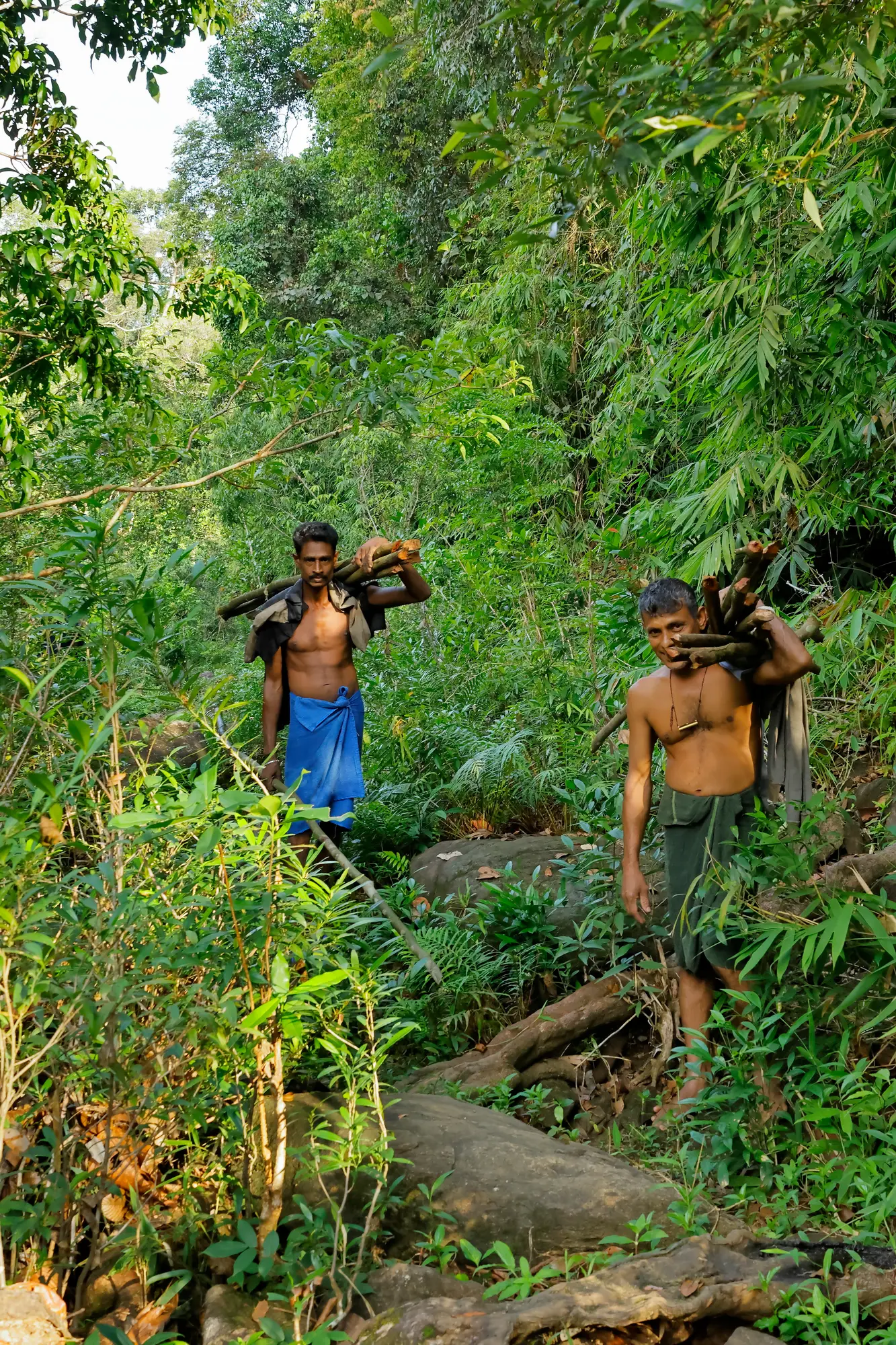
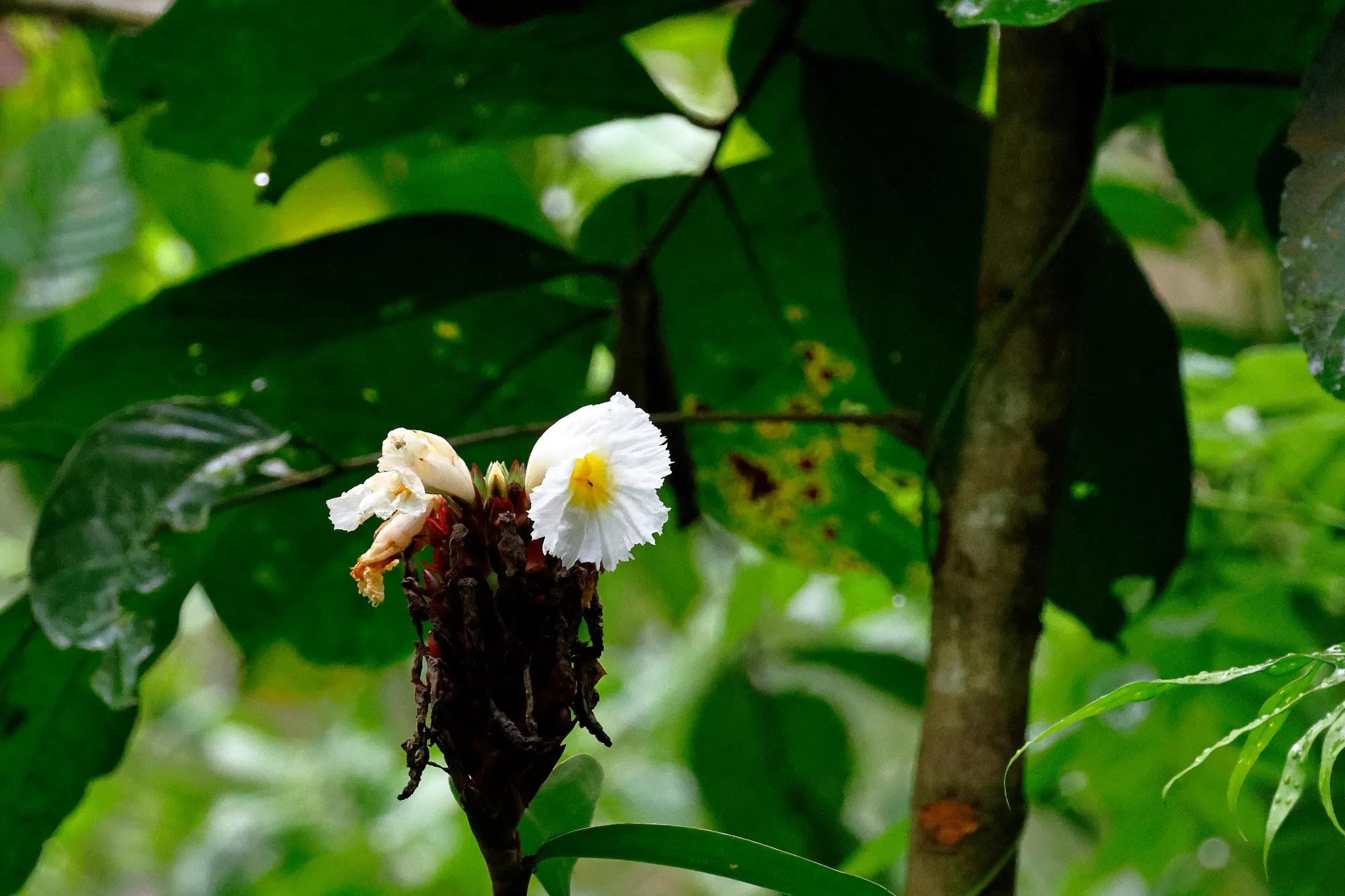
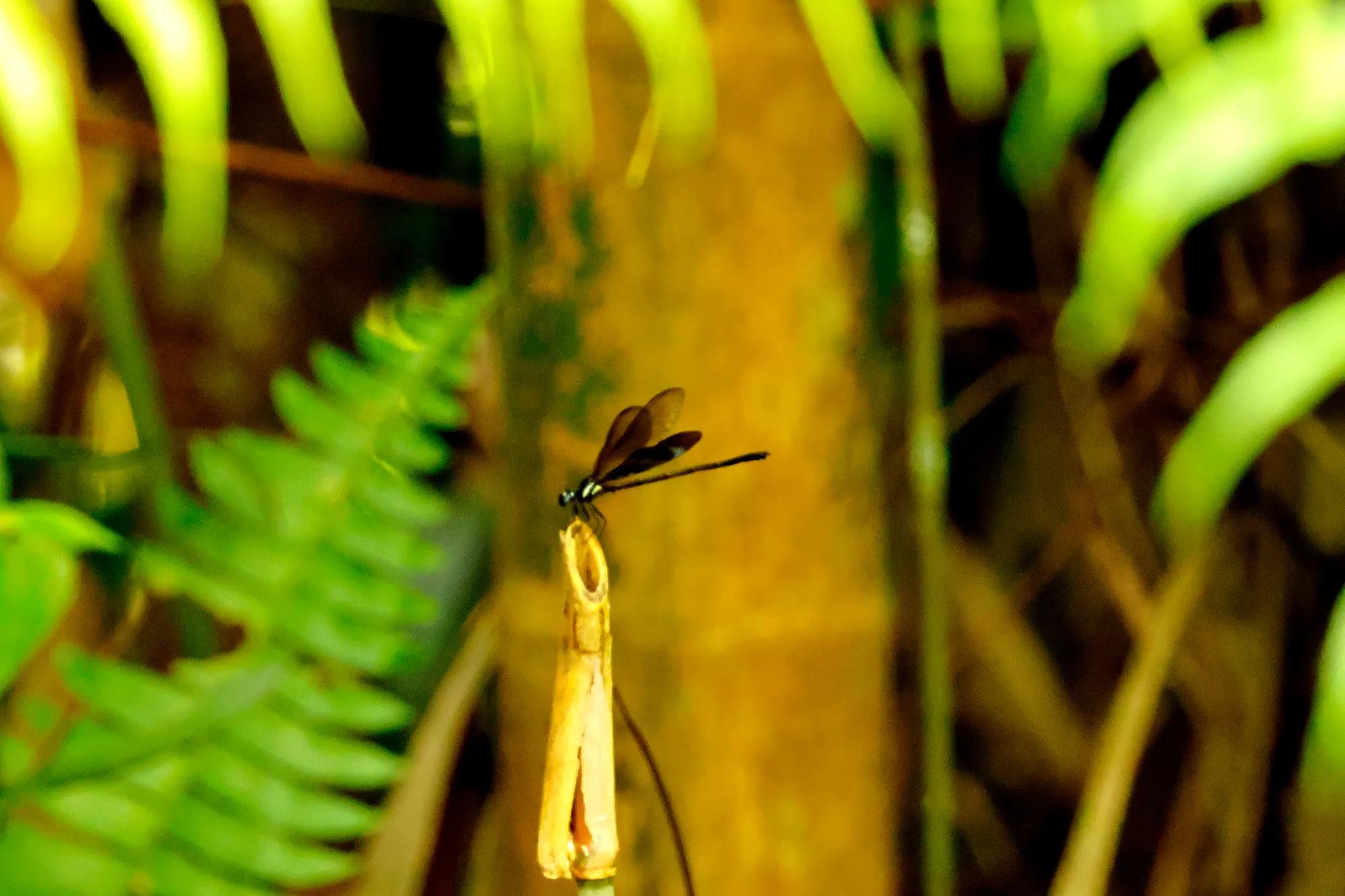
Sources
- Amazing Lanka: Runakanda Forest Reserve and prehistoric caves
- Key Biodiversity Areas: Morapitiya-Runakanda factsheet
- Key Biodiversity Areas: Morapitiya-Runakanda trigger species
- Protected Area Irreplaceability: Morapitiya-Runakanda Forest Reserve
- Wikipedia: Baduraliya
- Sunday Observer: Kalugala Aranya, with meditation in mind